DSA-Sec Guide: Talent Areas, Timeline and Interview Prep
13 October 2026 · Tutor Circle
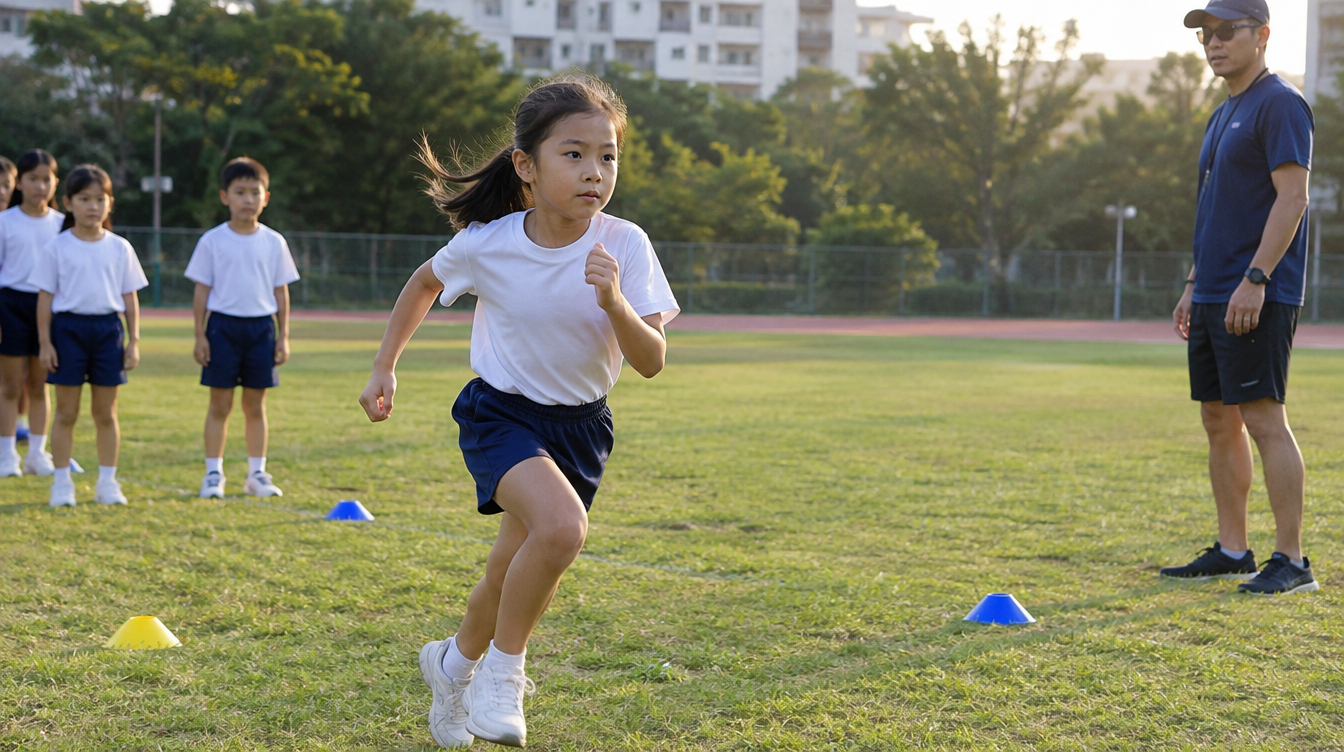
DSA-Sec lets a Primary 6 child apply to a secondary school for a talent, before the PSLE results. The 2027 exercise, for Secondary 1 in 2028, has no published dates yet. The 2026 exercise is the latest complete cycle: applications opened on 6 May and closed on 2 June, and schools released outcomes by 28 August. There is no fee, and the form allows three choices.
- 2027 dates
- Not published. The 2026 cycle is the template
- 2026 application
- Wed 6 May, 11am, to Tue 2 Jun, 4.30pm
- Choices
- Up to 3, each a school plus a talent area. At most 2 at one school
- Fee
- None
- Outcomes in 2026
- From the schools by Fri 28 Aug, then a preference window 19–23 Oct
- If you accept
- The child is posted there and skips S1 posting
The timeline
MOE names each exercise by the year it runs. The 2026 exercise admits children to Secondary 1 in January 2027. A parent searching “DSA 2027” in October 2026 is usually asking about one of two things: the preference window still open for the 2026 exercise, or the next application, which will open in 2027 for entry in 2028. This page separates them. [1]
| Step | 2026 date | What you do |
|---|---|---|
| School pages | By late April | Read the talent areas and the selection format on each school site |
| Application | 6 May, 11am – 2 Jun, 4.30pm | One form, up to three choices, on the DSA-Sec Portal |
| Trials and interviews | June to August, school by school | Attend only if shortlisted. The school contacts you |
| Outcomes | By 28 Aug | Each school tells you directly. An offer is not yet a posting |
| Preference window | 19–23 Oct, by 4.30pm on 23 Oct | Rank up to three offers you are holding |
| Allocation | With PSLE results, November | Accepting commits the child. Otherwise they enter S1 posting |
As at 13 October 2026, the live step for the 2026 exercise is the preference window of 19 to 23 October. If you are holding an offer, that window is the decision. The next application cycle is a 2027 event. [2]
Talent areas
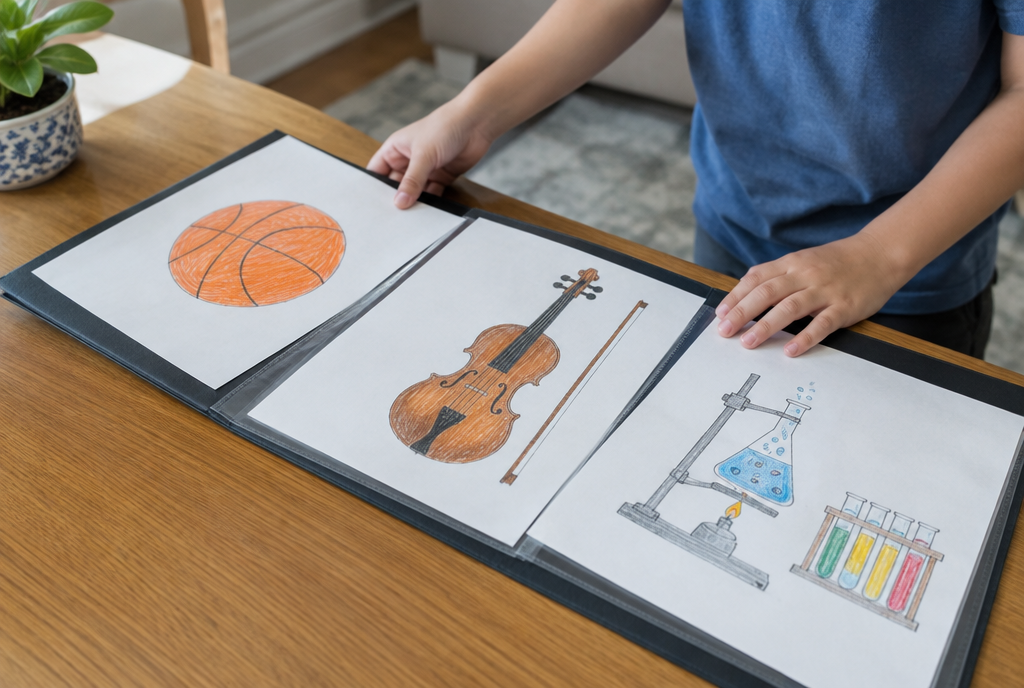
MOE’s categories are broad. A school may offer two sports and no debate. Another may offer both an IP and a SEC programme in the same talent, and the form then asks for a preference. “No preference” is a real option at some schools, and it lets the school place the child on the track it thinks fits. Read that line before you lock a preference you cannot explain. [3]
| Category | What selection often looks like | What to have ready |
|---|---|---|
| Sports and games | A trial, sometimes two rounds, plus a short interview | National Schools Games results, training schedule, positions played |
| Visual, literary and performing arts | An audition or a portfolio review | Recent pieces, grades, and a teacher who can speak to the last year of work |
| Debate and public speaking | A speech or a short debate, then questions | One topic the child can argue without notes, and one they can drop |
| Science, mathematics and engineering | A problem, a project, or an interview on work already done | A project the child did, including the part that failed |
| Languages and humanities | A written piece or a conversation | Reading the child can talk about, not a list of tuition centres |
| Uniformed groups and leadership | Records of roles, plus an interview | What the child organised, and what they would do differently |
Interview and trial prep

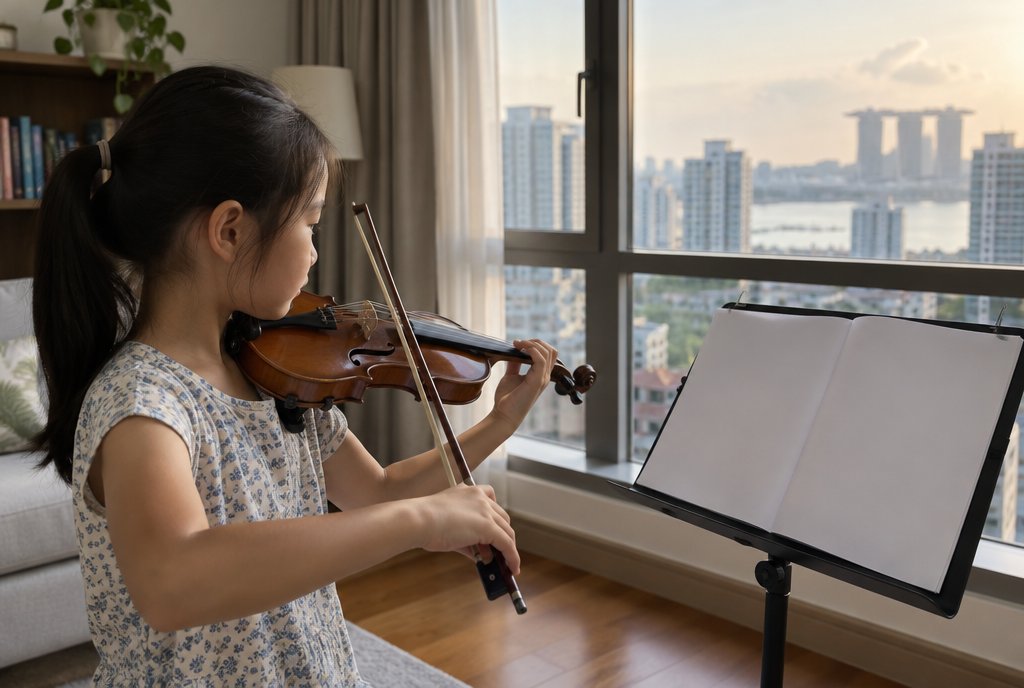
Prepare the activity. Leave the school brochure at home
- Write a one-page record of the last two years: training hours, competitions, roles, and one result that disappointed. Interviewers ask about the disappointment.
- Practise a two-minute account of a decision the child made in the activity. A memorised paragraph about “holistic education” is audible.
- For a trial, arrive able to do the thing on a bad day. A basketball trial is not won in the week before it.
- If the school offers IP and SEC, the child should know which one they are asking for and what the six-year IP commits them to. That comparison is on the IP and SEC page.
- Academic coaching belongs on the PSLE, which still happens. DSA does not replace the AL score if the offer does not come.
Families who want help usually need it on the interview conversation or the portfolio, for a few sessions, rather than a year of general English. Say that on the tutor request. A P6 English tutor for the PSLE itself is a separate job, on the oral and composition pages.
Offers, PSLE, and the track
An offer accepted is a posting. The child does not choose six schools in December. An offer declined, or no offer at all, puts the child back into the ordinary S1 posting exercise, where the PSLE Score decides. Keep preparing for the written papers either way. The 2026 written papers were 24 to 30 September. The 2027 dates are not published; the shape of the year is on the school calendar.
IP schools expect the student to stay for six years. A DSA place in an IP school is that commitment, not a one-year trial. If the child’s strength is a single talent and the academic load of that IP is the worry, look at whether the same school offers the talent on the SEC track.
Questions parents ask
When does DSA-Sec 2027 open?
MOE has not published dates for the exercise that opens in 2027, which admits students to Secondary 1 in 2028. The latest published cycle is the 2026 exercise, for Secondary 1 in 2027. Applications ran from 11am on Wednesday, 6 May 2026 to 4.30pm on Tuesday, 2 June 2026. Schools were asked to put talent areas on their websites by late April. Expect a similar May window, and use the school sites in late April rather than waiting for the press release.
How many schools can my child apply to?
Up to three choices on one form, through the MOE DSA-Sec Portal. Each choice is a school plus a talent area that school offers. At most two of the three choices can be the same school. There is no application fee. Meeting every published criterion does not mean the school will make an offer.
What talent areas does DSA-Sec cover?
MOE lists sports and games; visual, literary and performing arts; debate and public speaking; science, mathematics and engineering; languages and humanities; uniformed groups; and leadership. Each school chooses which of these it will select on, and runs its own trial, audition or interview. The school website is the list that counts.
What happens if we accept a DSA offer?
The child is committed to that school and does not take part in the Secondary 1 posting exercise. The offer has to be confirmed before PSLE results. If no offer is accepted, the child goes through ordinary S1 posting with everyone else. A DSA application does not change how the PSLE is scored.
How should my child prepare for a DSA interview?
Prepare the specific activity, not a general speech about wanting to enter the school. Bring a short account of training, competitions or pieces from the last two years, and be ready to explain one decision they made in that activity. Schools that offer both an IP and a SEC track may ask which programme the child is applying for. Read that school’s page before the interview, because the academic load after admission is part of the fit.
Sources
- Ministry of Education, Direct School Admission for secondary schools. Talent areas, the DSA-Sec Portal, and the key dates for the 2026 exercise: applications from 6 May to 2 June 2026, outcomes by 28 August 2026, and the school-preference window from 19 to 23 October 2026. Schools update talent information by late April. Accessed 13 October 2026. https://www.moe.gov.sg/secondary/dsa
- Ministry of Education, “Start of 2026 Direct School Admission Exercises,” 5 May 2026. Applications from 11am on 6 May 2026 to 4.30pm on 2 June 2026. Up to three choices, each a school and a talent area, with at most two choices at the same school. No application fee. Accessed 13 October 2026. https://www.moe.gov.sg/news/press-releases/20260505-start-of-2026-direct-school-admission-exercises-ite-and-polytechnic-early-admissions-exercise
- Ministry of Education, Integrated Programme. Where a school offers both programmes, DSA applicants indicate a preference. Students who accept an IP place are expected to complete the six years. Accessed 13 October 2026. https://www.moe.gov.sg/secondary/schools-offering-full-sbb/schools-with-specialised-curriculum/integrated-programme